
Create a Perfect Taxi Cab Receipt Template
A good taxi cab receipt template isn't just a piece of paper (or a PDF). It’s a fundamental tool that keeps both drivers and passengers on the same page, providing a clear, verifiable record of a trip. Think of it less as simple proof of payment and more as a key document for everything from expense reports to tax deductions.
Why a Professional Taxi Receipt Is a Must-Have
In the taxi business, a professional receipt is a mark of a legitimate, trustworthy service. When a driver hands over a clean, detailed receipt, it immediately builds confidence. This is especially true for business travelers who absolutely need that document to get reimbursed by their company. A missing or sloppy receipt can turn a simple expense report into a real nightmare.

For drivers, these receipts are just as critical. They’re your lifeline for accurate income tracking, which is everything come tax season. Having a consistent, detailed record of every fare makes it much easier to report earnings correctly and claim important business deductions like fuel, insurance, and vehicle maintenance.
The Big Shift: From Paper Pads to Digital PDFs
Let’s be honest, the days of scribbling fares on a messy paper pad are pretty much over. Modern digital templates have made the whole process faster, cleaner, and way more efficient. Instead of digging around for a carbon copy book, a driver can create and email a professional PDF receipt right from their phone in just a few seconds.
This move to digital comes with some obvious perks:
- It's incredibly fast. You can generate a receipt in a fraction of the time it takes to write one, getting you back on the road faster.
- Fewer mistakes happen. Digital tools often calculate totals, taxes, and tips automatically, which cuts down on human error.
- It looks professional. A branded, easy-to-read digital receipt makes a great impression and can lead to better tips and more repeat customers.
- Record-keeping is a breeze. Both the driver and the passenger get a digital copy that won't get lost, crumpled, or coffee-stained.
A clear and detailed receipt is your best defense in a fare dispute. It transforms a subjective disagreement into a straightforward review of the facts, protecting both the driver's income and the passenger's trust.
Meeting Global Standards and Legal Rules
Using a proper taxi receipt isn't just good business—it’s often the law. In major cities all over the world, from New York and London to Dubai, taxi operators are legally required to issue a receipt for every single ride.
These regulations are in place to ensure accountability and protect consumers. A compliant receipt usually has to include specific information like the driver's name, license or medallion number, a full fare breakdown, and trip details. For a closer look at what's required in different places, it's worth exploring some examples of industry standards. If you're ready to create your own, a general-purpose receipt template from ReceiptMake is a great place to start.
The Anatomy of a Flawless Taxi Receipt
A proper taxi receipt is so much more than a scrap of paper with a number on it. It’s a complete record of the transaction, designed to satisfy everyone from corporate accounting departments to tax auditors. Think of it less as proof of payment and more as the official story of the ride.
Getting the details right isn't just about being professional—it’s about preventing problems down the road.
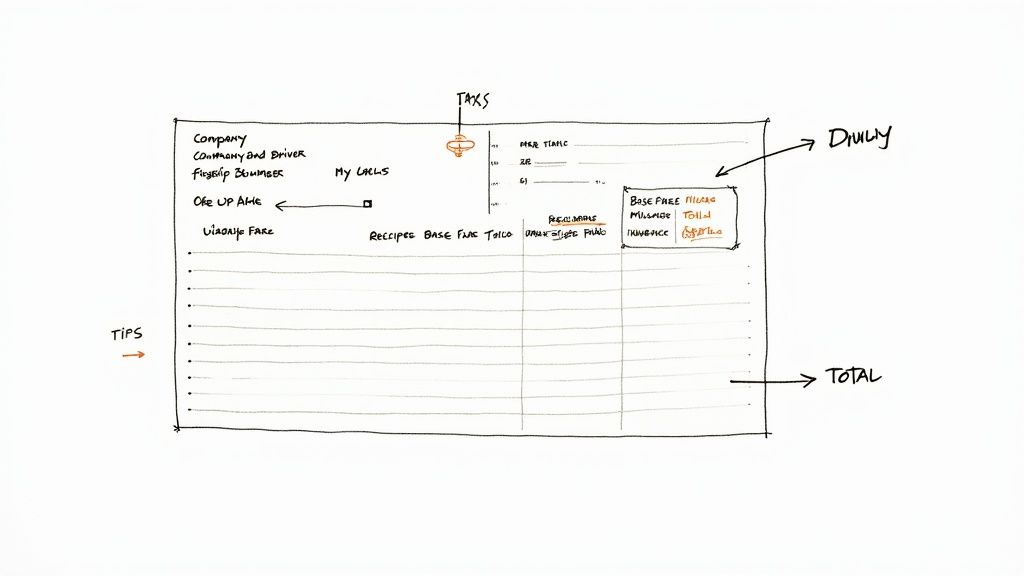
We’ve all been there. A business traveler needs to expense a ride from the airport to a client's office. Their finance department won't accept a receipt that just says "$45." They need to see the date, the route, and a clear breakdown of the fare, tolls, and tip. A missing detail means a rejected expense report and a major headache.
From the driver's perspective, these details are just as critical. Come tax season, accurate receipts are the bedrock of your financial records. They’re what you use to track income and justify business expenses. Without a clear and consistent paper trail, you’re just guessing.
What Every Legitimate Receipt Needs
To make sure your receipts are always up to snuff, there are a few non-negotiable pieces of information you have to include. These core components prove the ride happened and that the charges are legitimate.
- Who Drove?: The receipt must have the taxi company's name and the driver’s name and license/medallion number. This is all about accountability.
- What Was the Trip?: You need the date, pick-up time, and the start and end addresses. These details ground the transaction in a specific time and place.
- How Do We Track It?: Every receipt needs a unique receipt number. This simple identifier prevents mix-ups and makes it easy to find a specific record later.
- Who Rode?: While not always mandatory, adding the passenger's name is a great touch, especially for business clients who need personalized documents for their expense reports.
The most crucial element is a detailed fare breakdown. It eliminates any confusion about the final cost and is the first thing an accountant or auditor will scrutinize.
Breaking Down the Fare for Total Clarity
A simple total just doesn't cut it anymore. Passengers expect to see exactly what they paid for, and a transparent breakdown builds trust and heads off potential disputes before they can start. This is where your receipt truly becomes a professional document.
Here’s a look at the essential fields that create that clarity. This table lays out what to include, why it's important, and what it looks like in practice.
Essential Fields for Your Taxi Cab Receipt Template
| Field | Purpose | Example |
|---|---|---|
| Base Fare | The standard fee for starting the trip. | $3.50 |
| Distance/Time Charge | The cost based on how far or how long the ride was. | $15.75 (6.3 miles @ $2.50/mile) |
| Tolls & Surcharges | Any extra charges like airport fees or road tolls. | $5.00 (Airport Surcharge) |
| Tip / Gratuity | The amount the passenger added for great service. | $4.00 |
| Total Amount | The final, all-in cost, presented clearly. | $28.25 |
| Payment Method | How the fare was settled (e.g., Cash, Credit Card). | Visa **** 1234 |
This kind of detailed, itemized structure is the industry standard for a reason. You'll see a similar approach on receipts from other transportation services. For example, this Uber receipt template follows the same principles of transparent itemization.
By adopting this structure, you ensure your taxi receipts are professional, easy to understand, and compliant with just about any requirement.
Making Your Own Taxi Receipt in Minutes
Forget about fumbling with those messy carbon copy books or fighting with spreadsheet formulas. You can create a clean, professional taxi receipt in less time than it takes to get through a red light. Using the right online tool makes the whole process simple, so anyone can put together a proper receipt in no time.
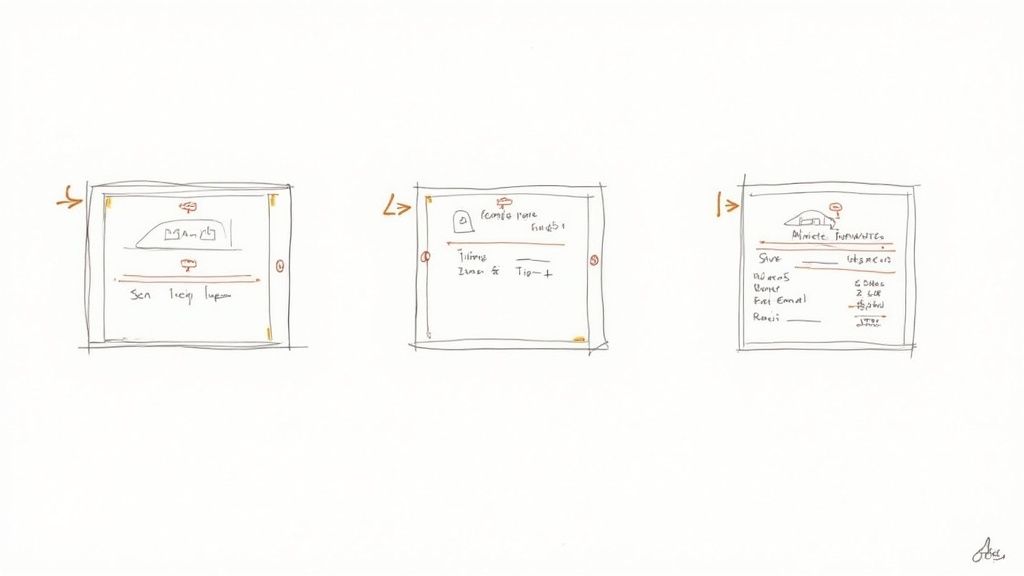
Let's be honest, the industry has moved on. We've seen a huge shift from paper receipts to digital PDF templates that can be filled out on a phone and emailed to a customer on the spot. This isn't just about being modern; it actually speeds things up. In my experience, going digital can cut down on the time spent handling payments and paperwork by 20-30% during peak hours. That’s more time on the road. Platforms like Jotform have been tracking these trends for a while, and it's clear this is the new standard.
First, Pick the Right Template
Your first move is to choose a template that actually looks like it belongs in a taxi. Sure, a generic sales receipt template might work if you're in a bind, but a dedicated taxi or transportation template is always the way to go. They’re already set up with fields for things like trip distance and driver ID, which saves you a ton of hassle and ensures you don't forget anything important.
Look for a layout that's clean and easy to read. This receipt is a reflection of your business, so you want it to look professional.
Next, Nail Down the Trip Details
With your template ready, it's time to plug in the key information. This is all about creating a clear, accurate record of the ride. It's not just for your own books; your passenger might need it for an expense report, so accuracy is everything.
Make sure you get these details right:
- Driver and Company Info: This includes your name, your taxi or company name, and a way to get in touch.
- Passenger's Name: It’s a small thing, but adding the passenger’s name is a professional touch that corporate clients really appreciate.
- The Trip Itself: Get the exact date, pick-up time, and the full start and end addresses down.
- A Unique Receipt Number: Every receipt needs its own number. It makes tracking down a specific transaction a breeze later on.
Think of this part as the foundation. If the date or an address is wrong, the whole receipt becomes questionable. It's worth taking an extra second to double-check everything before you move on.
Finally, Break Down the Fare
Now you get to the money. This is where you lay out exactly what the passenger paid for. Being transparent here is the best way to avoid any arguments over the fare. A good taxi cab receipt template will give you separate lines to itemize everything clearly.
Start with the base fare, then add your charges for distance or time. After that, list out any extras.
- Tolls and Surcharges: Always list any fees for airports, bridge tolls, or late-night surcharges separately.
- Tip/Gratuity: If the customer was generous, add the tip as its own line item.
- The Grand Total: A good tool will automatically add everything up for you, which helps eliminate any simple math mistakes.
The last step is to note how they paid—cash, credit card, or a mobile app. Once all the details are filled in, you can instantly generate a professional receipt. From there, you can download it as a PDF to email your passenger or just print it out. The whole thing is designed to be quick, accurate, and completely paper-free.
Branding and Customizing Your Taxi Receipts
A generic, off-the-shelf receipt gets the job done, sure. But it’s a missed opportunity. A custom, branded receipt does more than just record a transaction—it becomes a small but powerful piece of your marketing, leaving a professional impression that encourages people to call you again.

Think about it: the receipt is often the last thing your customer sees. It’s your final handshake. Making it look sharp and professional shows you care about the details, which builds trust and sets you apart from the competition.
Incorporating Your Brand Identity
First things first: your logo. This is the quickest way to make a receipt look official and uniquely yours. Most receipt generators, including ReceiptMake, let you upload a JPG or PNG file in seconds. Pro tip: make sure your logo file is at least 200 pixels wide so it looks crisp on screens and doesn't get blurry when printed.
But don't just stop at the logo. A few other simple touches can make a big difference:
- Use Your Colors: If you're emailing receipts, incorporate your primary brand color. It’s a subtle touch, but it instantly connects the document back to your taxi service.
- Add a Personal Note: A simple "Thank you for riding with us!" makes the whole exchange feel more human and less transactional.
- Make Yourself Easy to Find: Put your phone number or website front and center. You want to make it incredibly easy for a happy customer to book you directly for their next trip.
A well-branded receipt does more than just record a payment; it subtly communicates reliability and professionalism, reinforcing the customer's decision to choose your service.
Formatting for Readability and Impact
The layout of your receipt is just as crucial as the information on it. A messy, cramped document just looks unprofessional. The goal here is to create something that’s clean, easy to scan, and looks good on a phone screen or as a paper copy.
Start by giving the information some room to breathe—plenty of white space is key. Stick with a classic, easy-to-read font like Arial, Helvetica, or Times New Roman. You’re not trying to win a design award; you just need to ensure everyone can read it without squinting.
Break up the information into clear sections: trip details, fare breakdown, and your company info. I always recommend using bold text for the most important numbers, especially the Total Amount, to make them pop. A logical flow helps the customer find what they're looking for without any confusion.
If you’re not sure where to start, browsing through some pre-made designs can spark some ideas. You can check out a wide variety of customizable receipt templates from ReceiptMake to find a layout that fits your style. Working from a solid template makes the whole process a lot easier.
Smart Record-Keeping for Drivers and Riders
Once you've got your professional taxi cab receipt template sorted, the next step is just as critical: what you do with it. Proper record-keeping isn't just busywork; it's a financial game-changer for both drivers and passengers. It transforms those simple slips of paper or digital files into valuable data for taxes, business reimbursements, and smart financial planning.
For drivers, a solid digital system is a massive advantage. Let's be honest, a glove box stuffed with paper receipts is a recipe for disaster. They get lost, the ink fades, and they end up in a crumpled, disorganized mess. Switching to a digital approach, where you save a PDF of every receipt, gives you a clean, searchable database of your entire income.
This is more than just a matter of convenience—it's about being ready when tax season rolls around. With a clear digital trail of every fare, calculating your gross income is straightforward and accurate. That kind of diligence can save you from huge headaches and potential IRS audits down the road.
Best Practices for Drivers
Keeping your financial house in order doesn't need to be a major chore. A few simple habits can make all the difference.
- Go Digital Immediately: Don't let paper receipts pile up. If a passenger wants a paper copy, give it to them, but snap a quick photo for your own records and save it to a dedicated cloud folder (think Google Drive or Dropbox) right then and there.
- Create a Naming System: Get into the habit of naming your files consistently. Something simple like "YYYY-MM-DD_PassengerName_Amount" makes finding a specific receipt later on a total breeze.
- Backup Everything: We all know technology can fail at the worst times. Make sure you back up your records regularly. Use an external hard drive or even a second cloud service to protect yourself from losing everything.
Tips for Riders and Business Travelers
If you're a passenger, especially one who travels for work, holding onto those taxi receipts is the key to getting reimbursed quickly and without any friction. A lost or incomplete receipt often means you're paying for a business expense out of your own pocket.
The single most common reason expense reports get rejected is a missing or illegible receipt. A clear, digital copy solves this problem before it even starts.
As soon as that digital receipt hits your inbox, forward it to a dedicated work folder or upload it straight into your company's expense software. If you get a paper receipt, take a clear picture of it with your phone before it has a chance to get lost in your wallet or crumpled in your pocket.
This tiny habit creates a permanent record you can pull up anytime. For those odd cash payments or other travel costs, you can even use a parking receipt template or a general service receipt template to create a record. The goal is to build a reliable system that works for you, ensuring every business trip is documented and you get every penny back.
Clearing Up Common Questions About Taxi Receipts
Even with the best system in place, you’re bound to run into some tricky situations or have nagging questions about taxi receipts. Let's tackle some of the most common ones I've heard over the years. Think of this as a quick-reference guide for those real-world moments.
Can I Get Away With Using a Generic Receipt?
Technically, yes, you can use a generic receipt book from an office supply store. But—and this is a big but—you have to make absolutely sure it includes all the legally required details for your city or state. That means having space for your taxi license or medallion number and a clear breakdown of the fare.
Honestly, a dedicated taxi cab receipt template is a much smarter move. It's already set up with the right fields, so you're not scrambling to scribble extra info in the margins. It saves you a headache and makes your operation look far more professional from the get-go. A transportation receipt template is ideal, but even a detailed blank receipt template can be customized to fit your needs.
How Do I Send a Digital Receipt to a Passenger?
This is where modern receipt generators really shine. Once you've plugged the trip details into the template, you can download a PDF in seconds.
From your phone or tablet, you can then:
- Email it straight to your passenger.
- Text it to them as an attachment.
- Send it via a messaging app like WhatsApp.
This gives both of you a secure, paperless record. No more worrying about a passenger losing that tiny slip of paper before they get back to the office.
The single most common reason expense reports get kicked back is because of missing or unreadable receipts. Sending a crisp digital copy right away solves that problem for your passengers before it even starts.
What’s the Best Way to Handle a Fare Dispute?
A detailed, itemized receipt is your best friend when a passenger questions the fare. When you can point to a clear breakdown of the base fare, distance, time, tolls, and any other fees, it takes the emotion out of the conversation.
If a passenger challenges the total, just walk them through the receipt line by line. This kind of transparency shows exactly how you got to the final number. It shifts the discussion from a potential argument to a simple review of the facts, which helps build trust and clear up any confusion on the spot.
Are Digital Receipts Okay for Business Expenses?
Absolutely. Digital and electronic receipts are widely accepted for corporate expense reports and tax purposes pretty much everywhere now, as long as they contain all the required information.
In fact, most accounting departments prefer a clean digital receipt from a tool like ReceiptMake. It’s easier for them to read, process, and store. For other on-the-road costs, having a good gas receipt template or a standard cash receipt template on hand can be a lifesaver for keeping all your records neat and compliant.
Ready to create professional, compliant taxi receipts in just a few clicks? ReceiptMake has a whole suite of easy-to-use templates built for drivers like you. Generate your first receipt for free and see just how simple your paperwork can be. Head over to https://receiptmake.com to get started.

